Indian Wedding Planning in Texas: The Complete Multi-Day Guide
An Indian wedding isn't one event — it's a festival. Over two, three, or more days, you'll host a turmeric ceremony that ends with everyone's clothes stained gold, an evening of choreographed dances and family roasts, a groom's procession loud enough to announce itself a quarter mile away, a sacred ceremony around fire, and a reception that goes late. Each event has its own guest list, dress code, menu, and logistics.
Planning all of that in Texas — where summer afternoons hit triple digits and many venues have never hosted a baraat — takes a specific kind of preparation. This guide walks through each event, what it needs from your venue, and how to sequence the whole celebration.
The Events, Day by Day
Haldi — the turmeric ceremony
Usually held a day or two before the wedding, the haldi is an intimate, joyfully messy ritual where family members apply a turmeric paste to the bride and groom for blessing and radiance. It needs a space that can handle turmeric — outdoors or a room where yellow-stained everything is not a problem — plus somewhere to clean up afterward.
Mehndi — the henna celebration
The mehndi gathers the women of both families (and increasingly everyone) for hours of intricate henna application, music, and snacks. Logistics to plan: comfortable seating for guests holding still for 2–4 hours, good lighting for the artists, and a grazing-style menu, since fresh henna and dinner plates don't mix.
Sangeet — the night of music and dance
The sangeet is the party before the party: choreographed family performances, dueling sides of the family, and open dancing. It needs a stage or cleared performance area, a proper sound system, a projector for slideshows if you want one, and a venue that won't shut the music down at 10 PM.
Baraat — the groom's procession
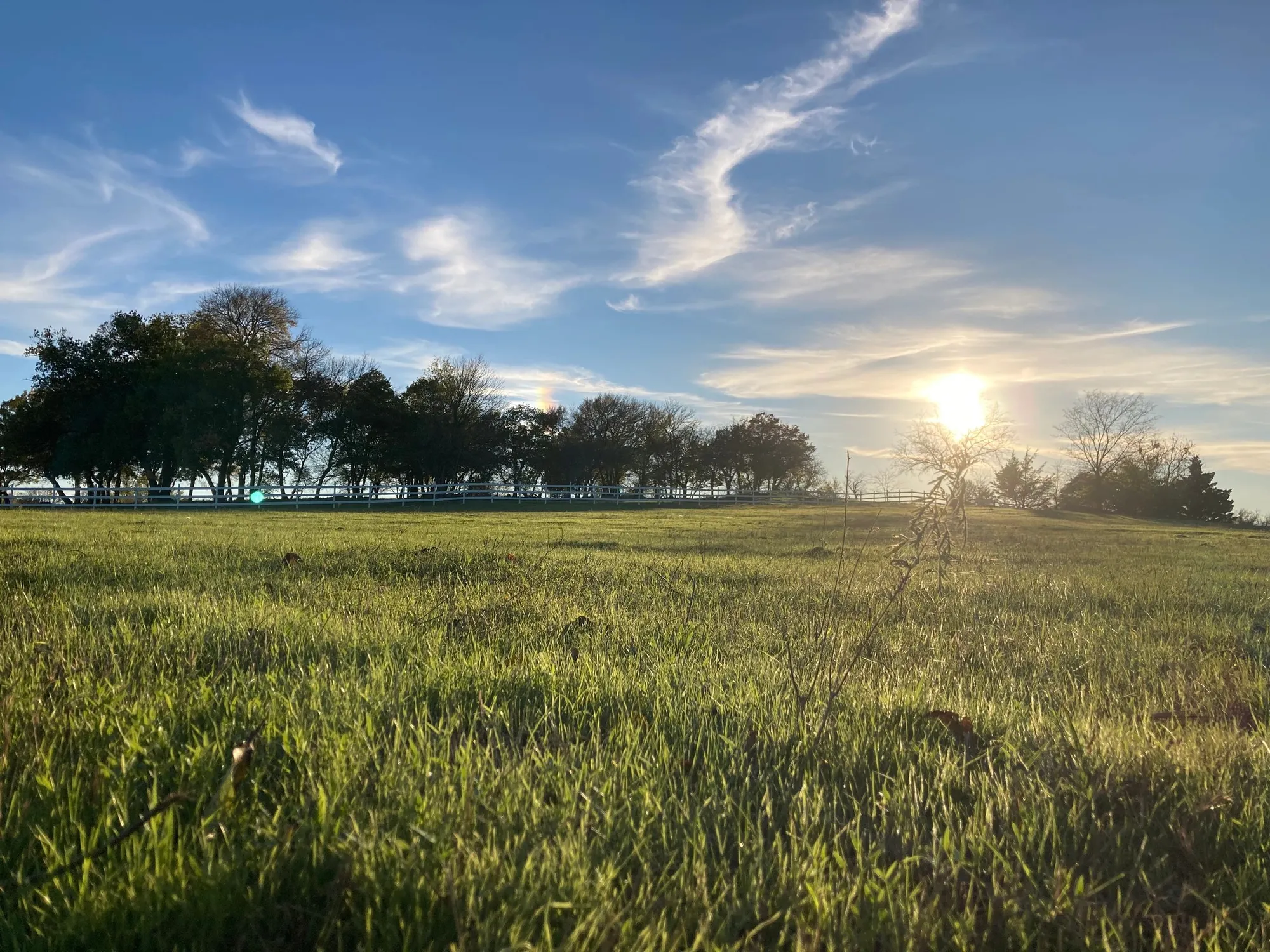
On the wedding day, the groom arrives in a baraat — a procession of dancing family and friends, led by a dhol drummer or DJ, with the groom traditionally on a white horse. This is the event that eliminates most venues: you need a real outdoor route, permission for amplified music outside, and space for a horse or a decorated car. Primrose Hill's 20 acres were practically made for it — a long private drive, open ground, and no neighboring businesses to disturb.
The ceremony — pheras under the mandap
The Hindu ceremony takes place under a mandap (a four-pillared canopy), where the couple takes their pheras — the circles around the sacred fire, or agni, that formalize the marriage. Your venue conversation must cover mandap size and rigging, and what the fire policy actually is: some venues allow a small contained ceremonial flame, others require flameless alternatives. Ask early, in writing, and connect your priest (pandit) with the venue directly.
The reception
The finale: grand entrances, first dances, toasts, dinner, and a dance floor that stays full. Many couples add a cold-spark send-off — safe indoor fountain effects that photograph like fireworks and are allowed inside at Primrose Hill.
Guest Counts: Every Event Is a Different Size
A common pattern for a 250-guest wedding: the haldi hosts 30–60 close family; the mehndi 50–100; the sangeet often nearly the full list, 150–250; the ceremony and reception the full 250. Build your budget per event, not from one number — catering, seating, and rentals all scale differently. And confirm the venue's true capacity: 250 seated with a dance floor and stage is very different from 250 packed wall-to-wall. Primrose Hill seats up to 250 guests in 9,700+ square feet with tables, chairs, and linens included.
Catering Logistics for South Asian Menus
This is the make-or-break venue question. Regional South Asian cuisine — Gujarati, Punjabi, South Indian, Bengali, Indo-Pak — comes from specialist caterers, and a venue that mandates in-house catering usually can't deliver it. What to look for:
- An open vendor policy. Outside South Asian caterers are welcome at Primrose Hill — bring the team your family trusts.
- A real working kitchen. Buffet service for 250 needs staging space, refrigeration, and prep areas. Our full catering kitchen is included in every rental.
- Load-in time. Multi-course buffets take hours to stage; vendors here load in from 11 AM on event day.
- Chai and late-night service. Confirm the venue allows food service to run as late as your reception does.
What Your Venue Must Accommodate
- Outdoor procession space for the baraat, away from traffic and noise complaints
- Mandap setup — floor protection, ceiling height, and a clear fire policy for the agni
- Sound, inside and out — dhol, DJ, and dancing; outdoor music at Primrose Hill can run until 1 AM
- Changing suites — Indian weddings mean multiple outfit changes; both of our private suites have full baths and keypad entry
- Long rental windows — our weekend rentals run 14 hours, and with one event per day, the property is exclusively yours
- Parking for the full list — on-site parking across 20 acres, plus two EV chargers
For the full checklist, see our companion post: Sangeet, Mehndi & Baraat: 9 Things Your Venue Must Allow.
Planning Around Texas Weather
North Texas weather is the variable your cousins in New Jersey won't think to warn you about:
- Best months: October–November and March–May are reliably pleasant for outdoor baraats and ceremonies.
- Summer (June–September): afternoons regularly top 95°F. Schedule the baraat for morning or after 6 PM, keep water stations along the route, and hold the ceremony and reception in climate-controlled space — our barn is fully heated and cooled.
- Spring storms: March–May brings occasional fast-moving storms; every outdoor event needs a named indoor backup plan, decided in advance with your planner and venue.
- Winter: mild by northern standards, but evenings drop fast — heaters for any outdoor cocktail hour.
A Working Planning Timeline
- 12+ months out: set the overall budget and dates (consult your pandit on auspicious dates — muhurat — before booking anything), then secure the venue and priest.
- 9–12 months: book the South Asian caterer, DJ, dhol player, photographer, and mandap/décor team. Reserve hotel room blocks for out-of-town guests.
- 6–9 months: order outfits (allow time for tailoring or shipping from India), plan the sangeet performances, and book the horse for the baraat if you're having one.
- 3–6 months: send invitations, finalize per-event menus and guest lists, schedule mehndi artists.
- 1–3 months: build the minute-by-minute wedding-day timeline with the venue coordinator, confirm every vendor's load-in, and walk the baraat route in person.
Frequently Asked Questions
How many days does an Indian wedding last?
Most Indian weddings in the US span three days: pre-wedding events like the haldi and mehndi, a sangeet evening, then the wedding day with the baraat, pheras, and reception. Some families compress everything into one weekend day; others extend to four or five days of events.
Can you bring your own Indian caterer to a Texas wedding venue?
It depends entirely on the venue — many require exclusive in-house catering, which rarely covers regional South Asian cuisine. Look for venues with an open vendor policy. At Primrose Hill, outside South Asian caterers are welcome, with a full catering kitchen included for their prep and staging.
What should you ask a venue before booking an Indian wedding?
Ask about baraat space and whether a horse is allowed, mandap setup and fire policies, outside catering, sound limits and music cutoff times, total rental hours and multi-day availability, changing suites, and true guest capacity with a dance floor in the room.
What is the best time of year for an outdoor Indian wedding in Texas?
October–November and March–May offer the most comfortable North Texas weather. In summer, schedule the baraat for morning or evening and keep the ceremony and reception in climate-controlled space.
Bring Your Celebration to the Countryside
Primrose Hill hosts multi-day South Asian celebrations on 20 private acres in Van Alstyne — thirty minutes north of McKinney, with open ground for the baraat, a 9,700 sq ft climate-controlled barn, and an open vendor policy for the caterers and decorators your family already loves. Explore our Indian weddings page, review transparent pricing, and book a free tour — walk the land and picture the procession yourself.